Unpacking Technical Safeguards in Real-Time Number Verification Systems for Licensed Bingo Networks Across Mobile Ecosystems
Viktor Lange · Nov 17, 2026
Unpacking Technical Safeguards in Real-Time Number Verification Systems for Licensed Bingo Networks Across Mobile Ecosystems
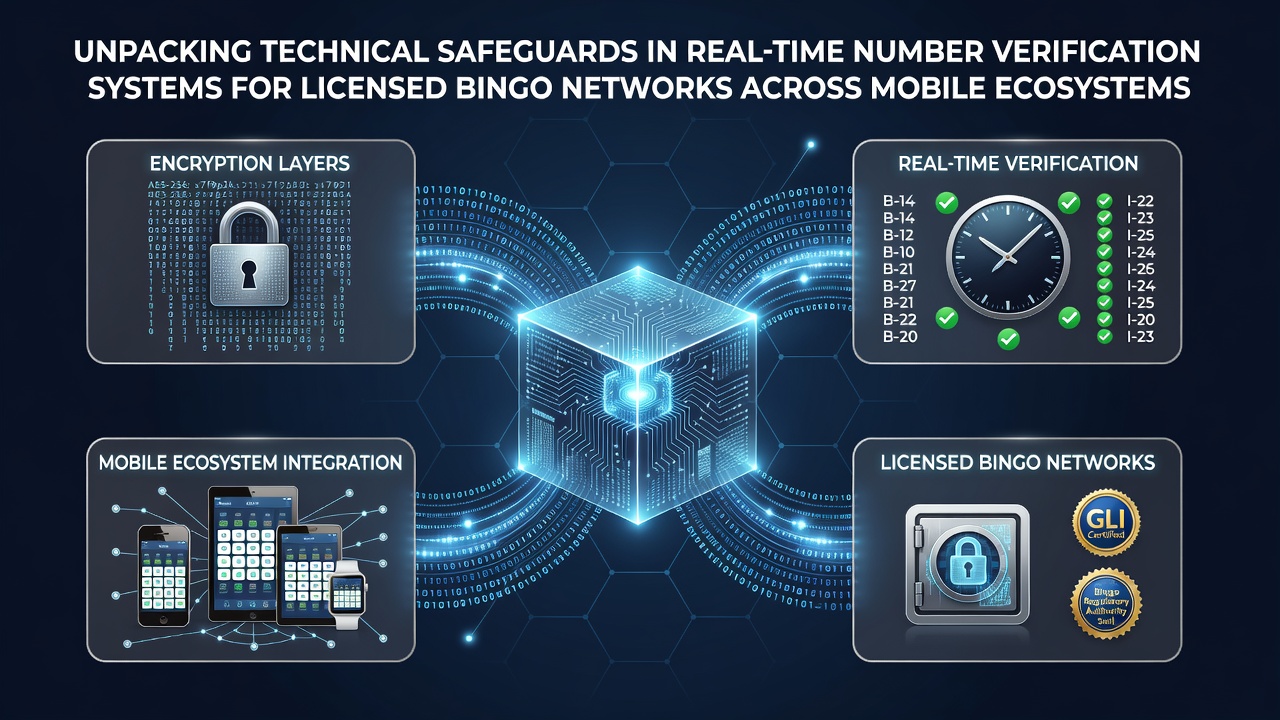
Real-time number verification systems form the backbone of licensed bingo operations on mobile platforms, where operators must confirm that each drawn number reaches players without alteration or delay. These systems integrate cryptographic hashing, timestamped data packets, and cross-device synchronization protocols to maintain integrity across iOS and Android ecosystems. Research from gaming technology firms shows that verification occurs within milliseconds of each draw, using secure sockets layer extensions tailored for high-volume transactions in bingo halls and online sessions alike.
Core Components of Verification Architecture
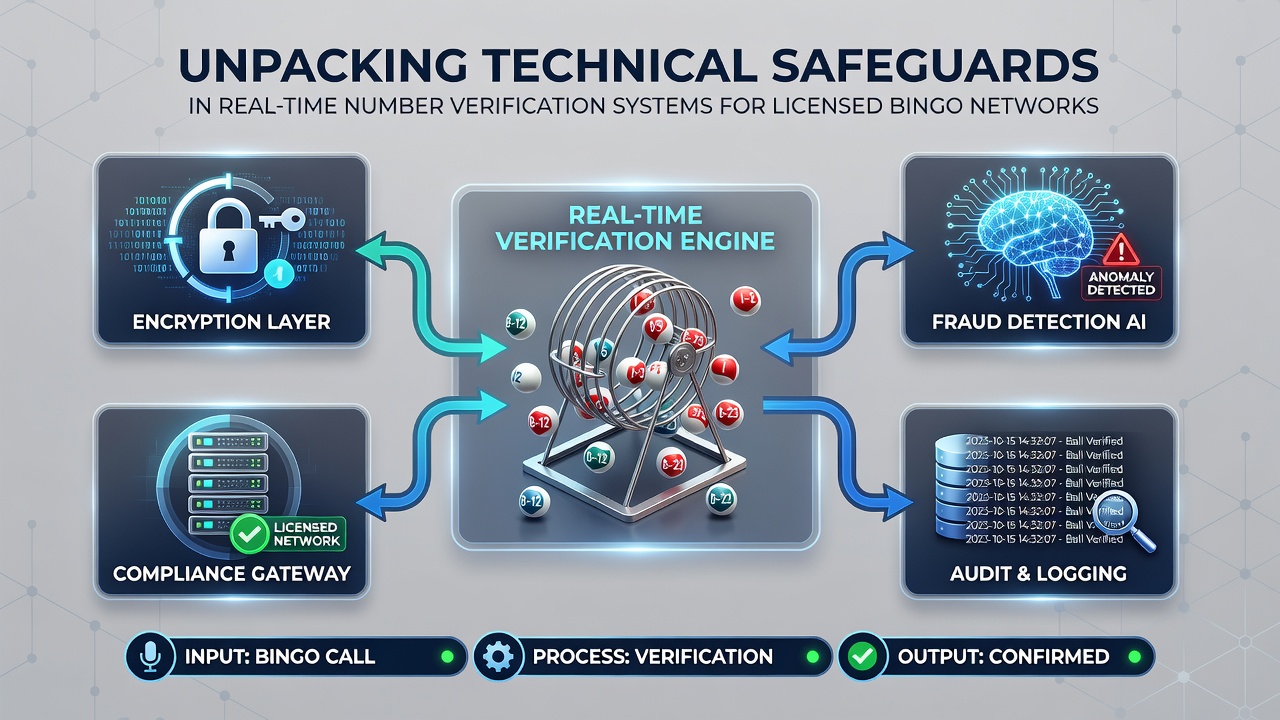
Engineers design these architectures around random number generators certified under standards from the Nevada Gaming Control Board, which requires continuous entropy testing and output validation at the hardware level. Mobile applications pull from centralized servers that log every sequence with immutable audit trails, while client-side modules on player devices perform independent checksum comparisons. Observers note that this dual-layer approach reduces discrepancies reported in multi-jurisdictional networks, particularly when players switch between cellular and Wi-Fi connections mid-session.
Device fingerprinting combines with geolocation services to restrict access to licensed regions, and session tokens refresh at intervals calibrated to network latency patterns observed in 2025 field tests. Data indicates that implementation of elliptic curve cryptography has become standard because it balances computational load on older smartphones with the security demands of real-time draws. Experts at international standards bodies have documented how these measures align with broader mobile security frameworks updated through industry working groups.
Integration Across Mobile Ecosystems
Developers adapt verification protocols to platform-specific constraints, such as Android's varying hardware security modules and Apple's Secure Enclave for key storage. Cross-ecosystem testing reveals that unified APIs allow bingo networks to push verified number sequences simultaneously to thousands of concurrent users without packet loss. In November 2026, several North American operators plan phased rollouts of enhanced push notification channels that embed verification metadata directly into alerts, cutting latency by up to 40 percent according to preliminary benchmarks shared at trade conferences.
Those who manage large-scale deployments report that fallback mechanisms activate when primary verification servers encounter regional outages, rerouting through redundant nodes hosted in separate data centers. This redundancy proved critical during widespread 5G spectrum reallocations earlier in the decade, when certain carriers experienced brief service interruptions. Figures from regulatory filings show that licensed networks maintaining at least three geographic verification nodes achieved 99.98 percent uptime across mobile sessions last year.
Regulatory Compliance and Audit Processes
Licensing authorities in multiple jurisdictions require periodic penetration testing and third-party code reviews focused specifically on the verification pipeline. The Alcohol and Gaming Commission of Ontario publishes annual compliance summaries that track how operators address vulnerabilities in real-time data transmission. Researchers at academic institutions studying digital gaming infrastructure have published papers detailing statistical models used to detect anomalies in number sequences that might indicate tampering attempts.
Operators integrate these safeguards into broader risk-management frameworks that also monitor player account activity for unusual patterns. Automated alerts trigger when verification delays exceed predefined thresholds, prompting manual review by compliance teams. Evidence from cross-border network analyses suggests that standardized reporting formats adopted in 2024 have streamlined audits, allowing regulators to compare performance metrics across different mobile operating systems more efficiently.
Emerging Technical Enhancements
Forward-looking projects explore distributed ledger entries for each verified bingo number, creating immutable records accessible to both operators and regulators without exposing sensitive player data. Pilot programs in several European markets have tested this approach alongside traditional databases, and initial results indicate improved traceability during dispute resolution. Mobile ecosystem updates scheduled for late 2026 are expected to introduce native support for post-quantum cryptographic algorithms, which developers are already incorporating into verification prototypes.
Training programs for technical staff emphasize hands-on simulation of failure scenarios, including simulated man-in-the-middle attacks on verification channels. Industry reports compiled by research institutions highlight that networks investing in continuous monitoring tools experience fewer compliance incidents than those relying solely on periodic checks. These tools aggregate logs from edge servers and player devices into centralized dashboards that flag deviations in real time.
Conclusion
Technical safeguards in real-time number verification continue to evolve alongside mobile hardware and regulatory expectations. Licensed bingo networks that maintain robust architectures demonstrate measurable improvements in session reliability and audit readiness across diverse ecosystems. Ongoing collaboration between operators, device manufacturers, and oversight bodies supports the steady refinement of these systems as participation grows through the end of 2026.