Charting Demographic Influences on Bingo Variant Preferences Across Digital Platforms
Viktor Lange · Sep 22, 2026
Charting Demographic Influences on Bingo Variant Preferences Across Digital Platforms
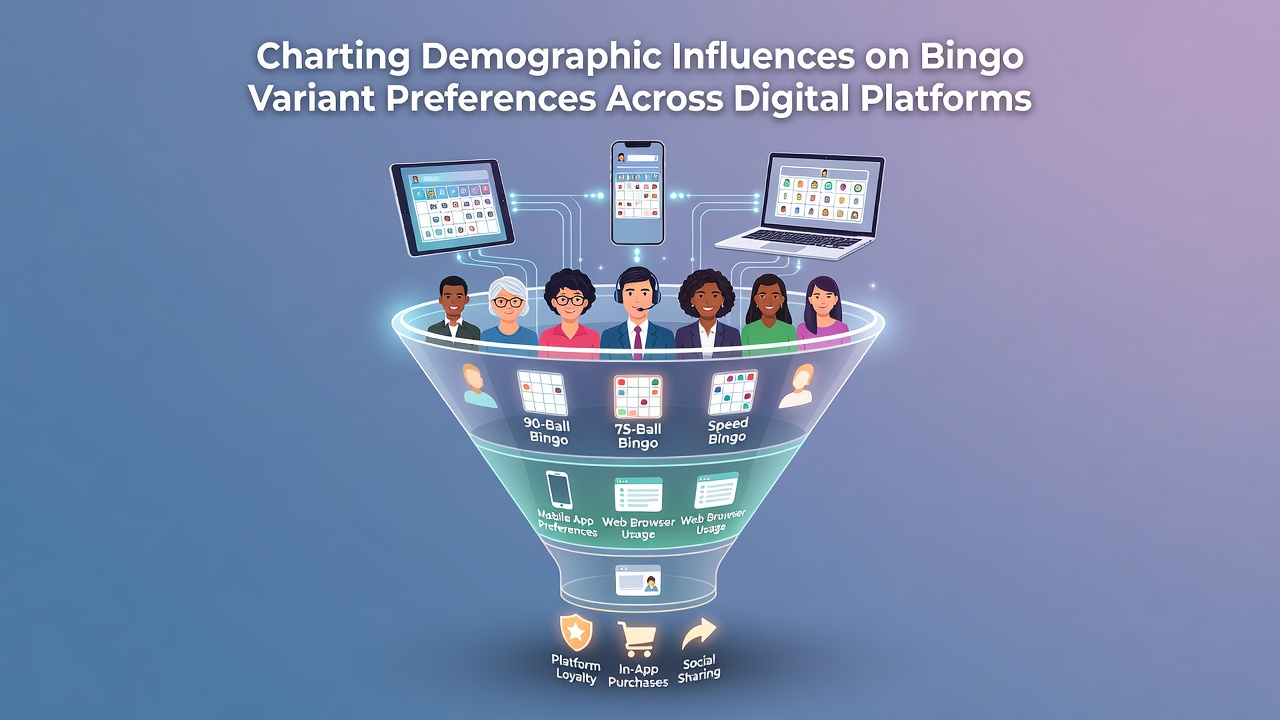
Demographic factors shape player choices among bingo variants on digital platforms, and researchers continue to track how age, gender, location, and device usage intersect with preferences for 75-ball, 90-ball, speed bingo, and themed formats. Data from multiple markets indicate clear patterns that operators monitor when updating game libraries and marketing approaches.
Age-Based Patterns in Variant Selection
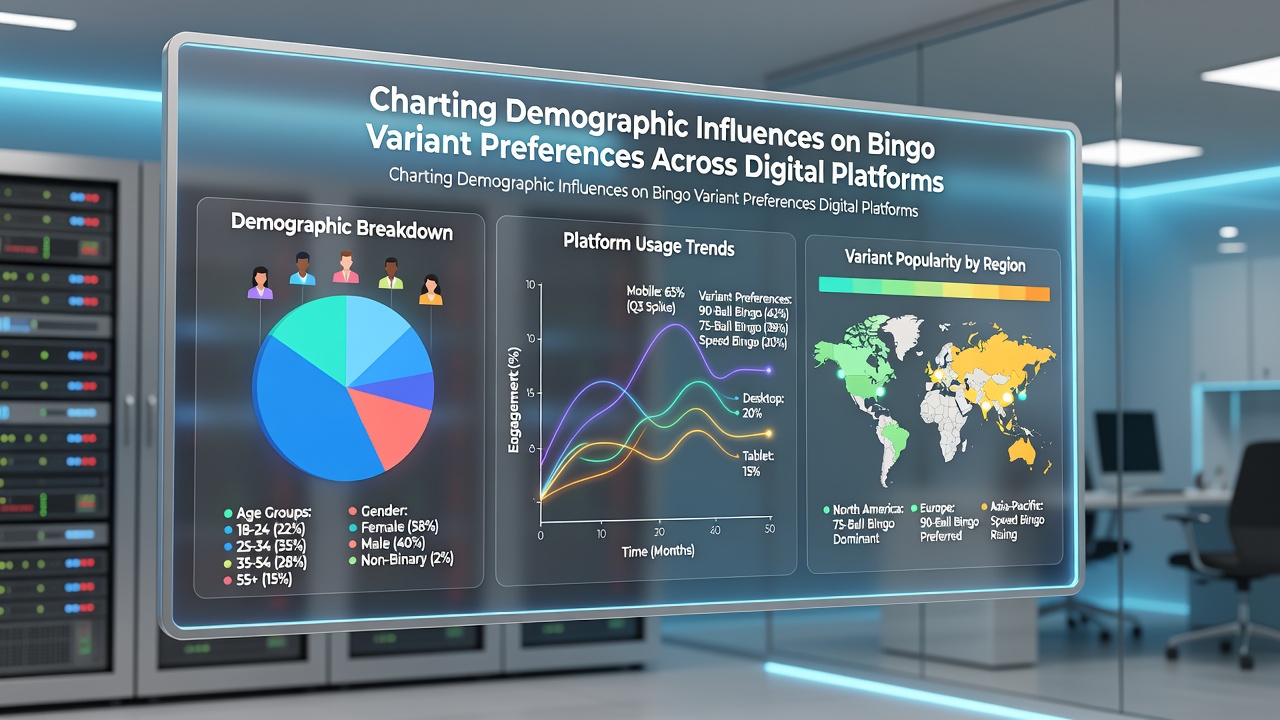
Players aged 18 to 34 show higher participation rates in speed bingo and progressive jackpot variants, while those over 55 maintain stronger engagement with traditional 90-ball and 75-ball formats that preserve longer draw sequences and community chat features. Platform analytics from September 2026 reveal that mobile sessions among younger users average 12 minutes per game, whereas desktop sessions among older cohorts extend to 28 minutes on average, reflecting different pacing expectations across age segments.
Studies conducted by the Canadian Gaming Association highlight how generational exposure to mobile gaming influences these trends, with younger demographics adapting quickly to auto-daub and turbo modes yet older players retaining manual daub preferences that extend session duration.
Gender and Regional Variations
Women represent a larger share of traditional bingo variant players across most platforms, whereas men demonstrate elevated interest in competitive leaderboards and hybrid bingo-poker formats. Geographic data further differentiate preferences, as North American users favor 75-ball variants tied to state lottery integrations, while European players show stronger uptake of 90-ball games linked to national draw schedules.
According to reports published by the American Gaming Association, cross-platform data from regulated markets show that Australian users exhibit the highest conversion rates to themed bingo events, often driven by seasonal promotions that align with local holidays and sports calendars.
Device and Platform Influences
Mobile applications record elevated play of fast-play variants because shorter attention windows favor quick rounds, whereas desktop interfaces support more complex bingo rooms that incorporate side games and chat functions. Observers note that tablet usage sits between these two extremes, often serving as a bridge for players transitioning between casual mobile sessions and longer evening desktop play.
Income and Education Correlations
Higher-income brackets correlate with greater participation in premium bingo rooms that offer exclusive variants and higher ticket prices, while mid-income groups concentrate activity in free-to-play or low-stake options that still deliver social features. Education levels also appear in platform data, with university-educated users showing increased selection of strategy-oriented variants that include statistical tracking tools and historical result overlays.
Research from Statistics Canada indicates these patterns remain consistent across multiple quarters, suggesting operators can use demographic profiling to tailor variant availability without relying solely on broad marketing campaigns.
Emerging Trends Through 2026
By September 2026, several regulated markets had introduced new hybrid bingo formats that blend elements of speed play with traditional ball counts, and early adoption metrics point to stronger uptake among urban professionals aged 30 to 45. Platform operators continue to adjust algorithms that surface recommended games based on past behavior segmented by demographic clusters, resulting in measurable shifts in session length and retention rates.
Industry organizations such as the European Gaming and Betting Association have documented how these adjustments affect overall player distribution across variants, particularly when platforms operate in multiple jurisdictions simultaneously.
Conclusion
Demographic influences on bingo variant preferences across digital platforms produce measurable differences that operators and researchers track through ongoing analytics. Age, gender, location, device type, income, and education each contribute distinct signals that shape which formats gain traction in specific user segments. Continued data collection through 2026 and beyond will likely refine these understandings further as new variants enter regulated markets.